Language & Localisation
Trust in the Language Industry: Why Human Connections Matter
27.07.2026
Language & Localisation
27.07.2026
Language & Localisation
27.07.2026
Everything about the candidate checked out. Until we asked for a Zoom call.
A few days ago, one of our project managers contacted a freelancer about a role that seemed to be an excellent fit. She had the right experience for the job and responded to our emails promptly and courteously. As we shared further details, we didn’t notice anything out of the ordinary. Our exchange felt like any normal interaction between a global content agency and an experienced language professional.
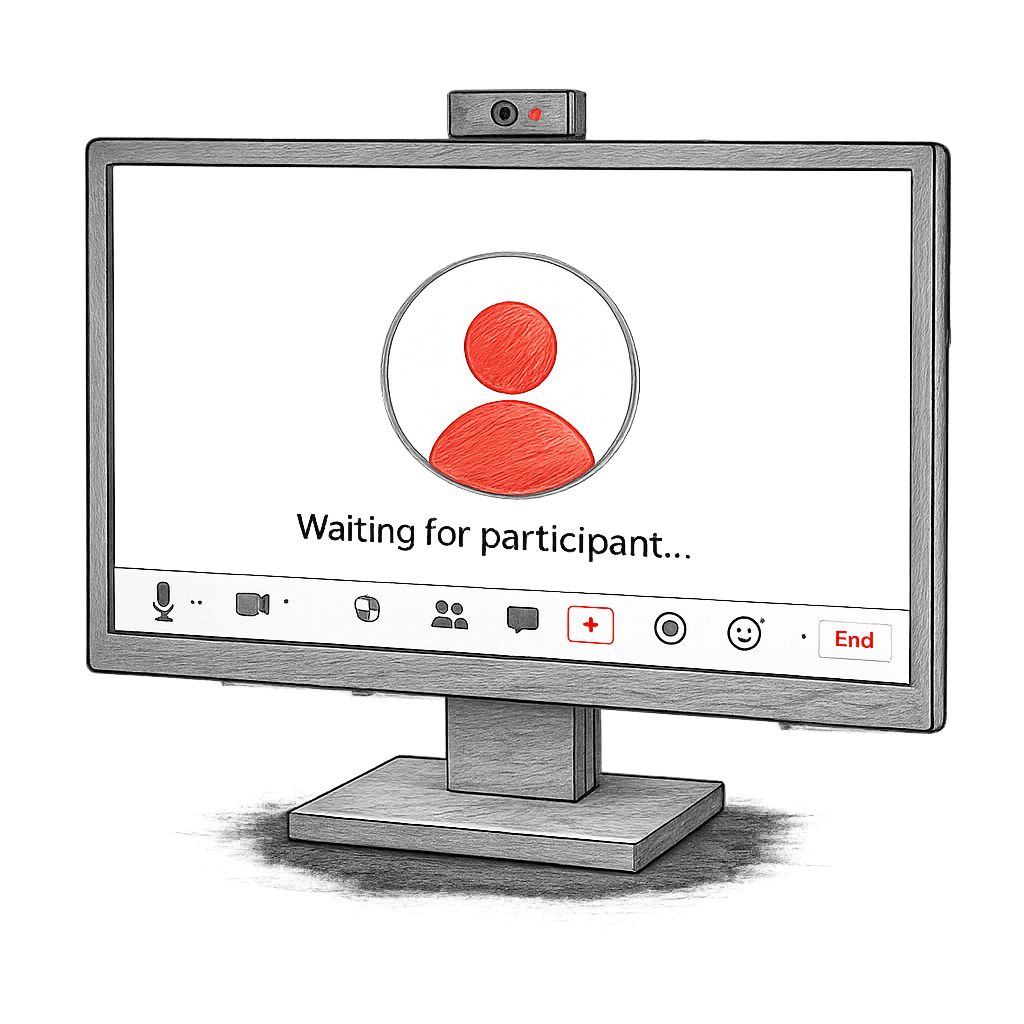
As part of our usual process, we suggested a short Zoom call before taking the next step. Nothing complicated, just a brief conversation to get to know each other a little better. It’s the way we’ve always done things at kontextor. After all, people are at the heart of the communications business.
Freelance language professionals aren’t just faceless profiles in a digital database. They’re individuals we collaborate with, rely on and gradually come to know. We value personal working relationships that develop over time through experience, trust and direct contact. CVs, references and online profiles are just a starting point.
Anyway, back to our candidate. Our invitation to a Zoom call was met with silence. We didn’t read much into it at first. It’s not uncommon to get ghosted at any stage of the process, as many project managers and vendor coordinators know all too well. People change their minds, priorities shift and the timing is not always right.
Still, something felt a bit off. So we made one more phone call. What we discovered was not what we expected.
The person who answered the call was not the same person we’d been communicating with. But she was the freelancer we had intended to work with. So who was the person we’d been emailing with all that time?
What the freelancer told us was unsettling. For years, someone had apparently been using her name, professional background and online profiles to apply for jobs and freelance opportunities in the language industry. In other words, someone was impersonating her.
Whoever this imposter was, they hadn’t gone to the trouble of fabricating an entirely false persona. They had opted instead to hijack the professional identity of a real linguist who had spent years building her reputation.
What stayed with us afterwards was not how sophisticated the deception was. It was how ordinary it looked. There were no red flags or glaring inconsistencies. Nor was there any obvious moment when the whole thing clearly revealed itself as fraud.
In an industry built on language expertise and remote collaboration, we depend heavily on digital traces. Profiles, platforms, email exchanges, CVs and online portfolios all help us find and assess talent. They’re useful tools, and in many cases indispensable ones. But they’re not the same as knowing who is on the other side.
Technology can help us discover talent and bring people closer. We can use it to compare experience, manage workflows and connect across borders. But what it can’t replace is the trust that comes from personal contact: conversations, faces, voices – real exchanges between real people.
Over the years, kontextor has developed an extensive network of freelancers, many of whom we have worked with closely and come to know personally over the course of our collaboration. It makes the working process a lot smoother, of course. But it also creates something less visible and even more valuable: a layer of trust that protects the quality of our work, our clients and the professionals whose expertise we depend on.
Getting to know the people behind the work is deeply embedded in our approach. It’s also one of the most rewarding aspects of what we do.
Last week was a valuable reminder of the importance of personal contact. It doesn’t have to be complicated – sometimes all it takes is a simple Zoom call or phone conversation. As it turns out, in a world where identities can be stolen or fabricated, real human connections matter more than ever.